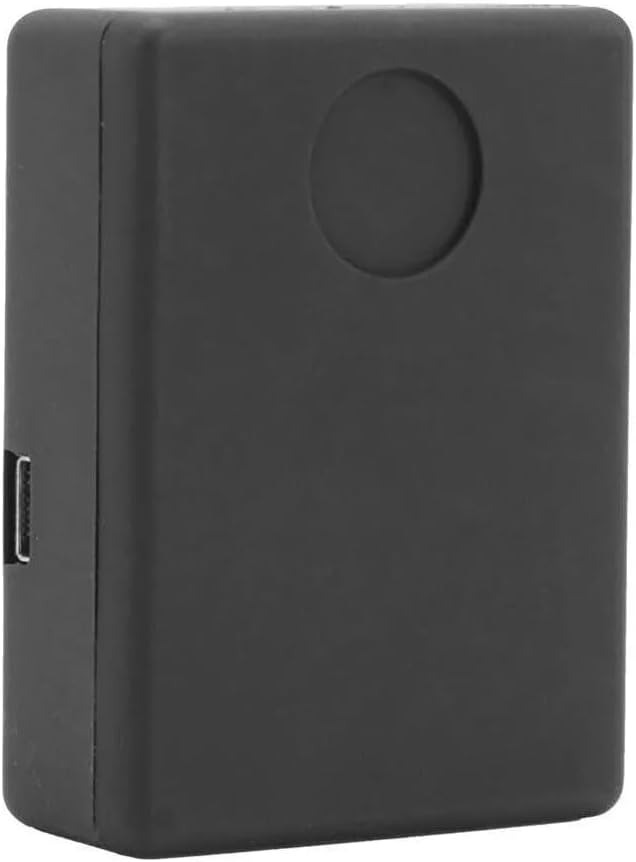
N9 Wireless GSM Listen Audio Bug
1.8Editor score
Quad-band GSM support
Ten-meter stated range
Dual built-in microphones
Our expert guide compares 10 GSM audio listening devices, evaluating network support, microphones, range, recording features, accessibility, privacy, and ease
GSM audio listening devices range from compact remote-listening modules to wireless communication earpieces, assistive listening systems, and dedicated recorders. The right model depends on whether you need live call-in monitoring, stored audio, clearer conversations, or professional interpretation. Network compatibility and microphone placement are especially important.
We compared all ten products using the supplied specifications, including connection type, supported frequencies, microphone design, stated listening distance, recording functions, power options, and intended application. The list also includes closely related listening devices because searching for GSM monitoring equipment often surfaces hearing-assistance, tour-guide, conference, and recording products.
Each review explains the strongest reasons to consider the product while also identifying important limitations. Exact conditions, network support, and sound quality can vary by location and use. Product ratings also change over time, and prices are subject to change, so confirm the current listing and compatibility information before making a purchase.
1.8Editor score
4.4Editor score

5.0Editor score
This side-by-side comparison highlights each device's connection method, core function, stated range, and most useful feature, helping distinguish true GSM monitoring tools from related assistive and wireless audio products.

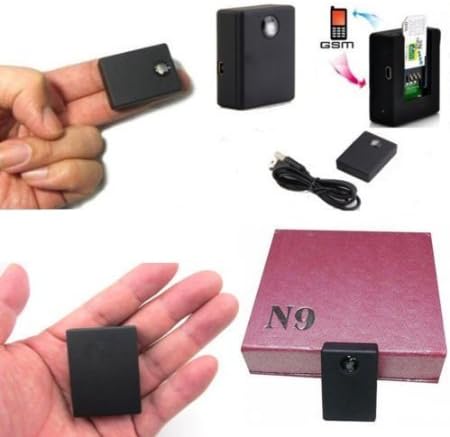


The N9 Wireless GSM Listen Audio Bug is a compact SIM-based monitoring device designed around a very straightforward operating model: place the unit, insert a compatible SIM card, and call its number to hear nearby voices. It carries a 1.8 customer rating, so the product's core concept is easy to understand, but its customer satisfaction is notably below the stronger-rated assistive and professional systems in this guide.
We may earn a commission when you buy through this link, at no additional cost to you.
Its major strengths are portability and network versatility. Quad-band operation covers 850, 900, 1800, and 1900 MHz, giving it broader potential compatibility than a single-band receiver. Two built-in microphones are intended to improve sound pickup, while support for pre-set telephone and mobile numbers makes access control more convenient for a legitimate monitoring setup. The stated ten-meter listening distance is adequate for close-range use in many rooms and vehicles.
There are meaningful trade-offs. The 1.8 rating suggests that buyers have encountered unresolved issues, although the supplied information does not detail their cause. The listing also emphasizes live listening rather than detailed cloud storage, automatic file handling, or a clearly documented backup-power system. Network quality, SIM activation, and local carrier support may also determine whether the advertised experience works as expected.
This model is most appropriate for someone who specifically needs a small, inexpensive GSM call-in monitor and understands the importance of a compatible SIM and reliable reception. It is less suitable for users who require documented recording workflows, professional-grade microphones, strong customer ratings, or a complete multi-user system. Consider it a specialized entry-level tool rather than a universal listening solution.
Supporting four GSM bands improves the chance of finding a compatible cellular network in different regions. You should still confirm the accepted SIM type, network coverage, and any carrier restrictions before relying on the device.
Calling the installed SIM number provides a quick way to access live audio without a dedicated app or complicated pairing process. Pre-set number support can also limit access to approved callers.
We may earn a commission when you buy through this link, at no additional cost to you.
The Z95G Wireless 4G Listen Audio Bug is a cellular monitoring module with cloud recording and voice detection, offering a broader set of remote-audio functions than a basic call-in listener. It has no supplied customer rating, so its long-term user feedback is less clear than that of products with established review histories.
We may earn a commission when you buy through this link, at no additional cost to you.
Its key advantage is the combination of live call-in access, continuous recording, file uploading, and voice-triggered standby. The device can record for up to 20 hours and remain in voice-trigger standby for up to seven days. A built-in MEMS digital microphone supports clear sound capture, while OGG compression is used to reduce file sizes during uploads. The stated live-listening distance is 26 feet.
The important limitation is regional network behavior. Live VoLTE calls are not available in the United States according to the supplied information; buyers there are directed to use an EIOT or AT&T data SIM and retrieve files from the server. That distinction makes this a less straightforward choice for users who expect ordinary voice calls everywhere. It also has no supplied rating, which leaves real-world performance and support less documented.
Choose the Z95G when you specifically need unattended cellular recording, remote file access, and voice-triggered monitoring rather than merely assistance hearing a conversation. Check carrier support, storage access, and privacy obligations first. For uncomplicated live listening in the United States, a GSM model may be easier to deploy.
Cloud uploading makes recorded audio available away from the device, which is useful for longer monitoring sessions. Confirm how files are retrieved, how long they remain available, and what account or server requirements apply.
Voice activation can reduce unnecessary recording during quiet periods while keeping the unit ready for sound. The stated seven-day standby period is considerably longer than the 20-hour continuous recording window.
We may earn a commission when you buy through this link, at no additional cost to you.
This N9 Wireless GSM Listen Audio Bug is another compact quad-band live-listening option, and its 3.3 rating gives buyers a modestly better historical signal than the similarly named model ranked first. It uses the same general call-in concept: install a SIM card, call the assigned number, and listen to nearby voices.
We may earn a commission when you buy through this link, at no additional cost to you.
The supplied specifications identify two built-in microphones, a stated ten-meter pickup distance, and support for pre-set telephone and mobile numbers. Those features make it straightforward to deploy for authorized room, desk, or vehicle monitoring. Quad-band support across 850, 900, 1800, and 1900 MHz offers flexibility when working across different cellular networks.
The moderate rating is the main reason this model does not rank higher. The supplied information does not identify particular customer complaints, so it would be inappropriate to attribute the score to a specific defect. It is also not as feature-rich as the Z95G, which adds server uploads and voice-triggered recording. There is no detailed indication of cloud storage, file playback, backup power, or a mobile application.
This listing makes sense for buyers who want a small, direct GSM monitor and are comfortable with a minimal feature set. Confirm SIM compatibility, cellular reception, and local rules before installation. Buyers who need recorded-file management or stronger customer confidence should favor one of the better-rated products in the guide.
Two microphones are intended to improve the chance of capturing nearby speech in different directions. Placement still matters greatly, as a compact microphone positioned far from the source may not reproduce conversation clearly.
Pre-setting approved telephone or mobile numbers can make the system more manageable and reduce the chance of unintended callers gaining access. Verify the programming process before deployment.
We may earn a commission when you buy through this link, at no additional cost to you.
The Z95G-EXT is the extended-microphone version of the Z95G family, adding a three-foot external MEMS digital microphone to a compact 4G monitoring unit. This design is particularly useful when the electronics should remain concealed or protected while the microphone is positioned closer to the intended sound source.
We may earn a commission when you buy through this link, at no additional cost to you.
Beyond the external microphone, the product supports cloud recording, voice detection, email alerts, and server file uploading. The supplied listing also references a 26-foot listening distance. A MEMS microphone is designed to provide consistent digital audio capture, and the external cable gives the installer more freedom than a fully enclosed device with only a built-in microphone.
The lack of a supplied customer rating makes it difficult to judge long-term reliability, support quality, and practical battery performance. A three-foot cable creates an installation constraint that may not suit every room, though it remains far more flexible than an all-in-one unit. Network compatibility and the availability of the cloud and email functions should be verified before purchase.
The Z95G-EXT is a strong candidate for authorized monitoring setups that need both remote recording and flexible microphone placement. It is less attractive if you need a simple GSM call-in device, local-only recording, or a well-established customer rating. Treat the advanced features as useful supplements to careful installation rather than substitutes for proper positioning.
The three-foot microphone cable lets you place the audio sensor away from the 4G module. This can improve proximity to speech while keeping the electronic unit less exposed.
Voice detection can initiate recording, while email alerts provide notice that activity has occurred. Together with cloud uploads, these features support remote monitoring without constant manual checks.
We may earn a commission when you buy through this link, at no additional cost to you.
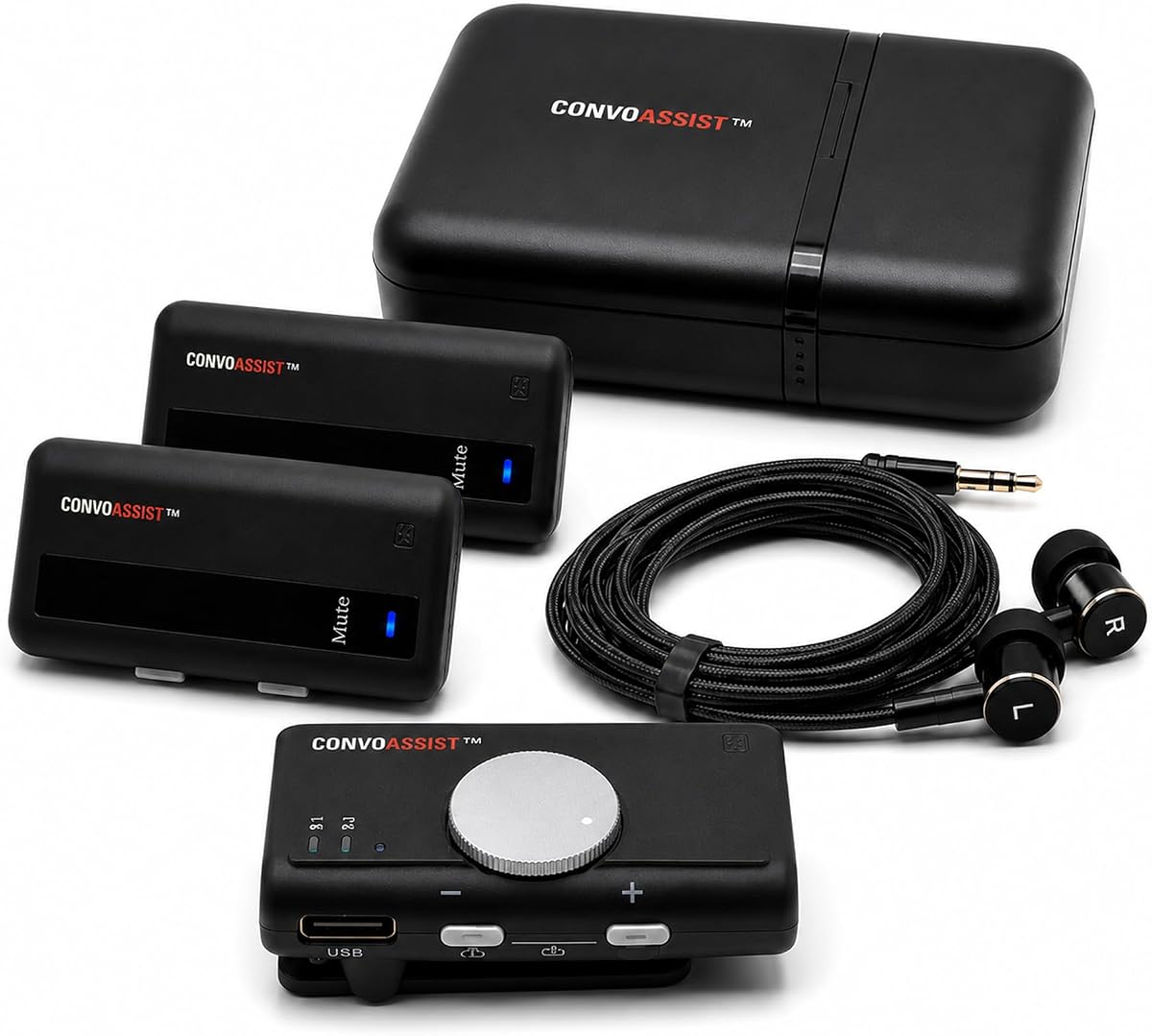
The ConvoAssist Personal Sound Amplifier is not a covert GSM monitoring unit; it is an assistive listening system designed to help people understand speech more clearly. Nevertheless, it is one of the most polished products in this comparison, earning a 4.4 rating and offering a far more accessible experience for conversations, television dialogue, group discussions, and travel.
We may earn a commission when you buy through this link, at no additional cost to you.
Two wireless microphones clip near individual speakers and transmit their voices to the wearer's earbuds or own headphones. Each microphone has a dedicated mute control, and the stated range reaches up to 100 feet. The receiver connects automatically when removed from the charging case, eliminating apps, pairing buttons, and complicated setup. Wired earbuds with multiple tip sizes are included, but other personal headphones are also supported.
Its main limitation is that it does not use GSM or cellular calling. It is therefore unsuitable for remote monitoring through a phone call or retrieval of uploaded recordings. The listed 100-foot range also should not be confused with the ten- or 26-foot pickup distances stated for the monitoring modules; different measurement conditions make direct comparisons imperfect.
ConvoAssist is the best overall choice in this list for users seeking easier conversation comprehension rather than surveillance. It is particularly suitable for anyone who can hear speech but struggles to understand words, as well as for family members, travelers, and small groups who want a quick listening system. It should be used consensually and without interfering with a speaker's privacy.
Removing the components from their magnetic case powers and connects them, while returning them powers them off and begins recharging. This design is especially useful for users who want less friction than a conventional app-based wireless microphone.
The system can feed sound into the included wired earbuds or compatible personal headphones. That flexibility lets users choose a comfortable fit, which is especially important for extended listening sessions.
We may earn a commission when you buy through this link, at no additional cost to you.
The Hidden Earpiece with GSM Bluetooth Module is a communication receiver rather than an ambient-listening bug. It combines GSM calling through a SIM card with Bluetooth connectivity, giving the user two ways to receive audio in a compact earpiece intended for stage performances, conference hosting, guide commentary, and similar private communication tasks.
We may earn a commission when you buy through this link, at no additional cost to you.
Its 660mAh battery, plug-and-play switch, and dual-mode design make setup approachable. In GSM mode, inserting a small SIM card enables calls; in Bluetooth mode, the earpiece appears as PD Ear for connection to a compatible phone or transmitter. The listing emphasizes a lightweight form, clear speaker output, and comfortable extended wear, which are valuable in live-event roles.
There is no supplied customer rating to establish user satisfaction. It also requires an active cellular connection for GSM use, so the device is not the autonomous recorder that some other products in the list are. Bluetooth performance depends on the source device and local wireless conditions. The provided information does not state a precise operating range or a detailed battery duration.
This earpiece is best for someone who needs discreet two-way communication or receives program audio during an event, rather than for monitoring an unattended room. Verify SIM dimensions, carrier coverage, Bluetooth behavior, and local rules for concealed communication devices. Consent and transparent communication with colleagues or participants are essential.
GSM mode supports calls over a cellular network, while Bluetooth mode offers a direct wireless connection. Having both options can make the earpiece useful in venues with either cellular service or a compatible local transmitter.
The compact, lightweight earpiece is suited to presenters, guides, and hosts who want private audio without a conspicuous speaker. Its comfort-focused design supports longer wear during events.
We may earn a commission when you buy through this link, at no additional cost to you.
The Williams AV DLR 400 RCH is a professional digital wireless listening receiver built for guided tours, language interpretation, intercom use, and hearing assistance. It carries a 5.0 supplied rating and supports a stated range of up to 900 feet, making it the strongest high-end option in the guide for organized group audio distribution.
We may earn a commission when you buy through this link, at no additional cost to you.
The 2.4GHz ISM-band system can support one-way or two-way guided-tour arrangements, interpreted language transmission, and intercom conversations involving as many as six people speaking simultaneously. Boosted audio is available for listeners who need hearing assistance. The rechargeable receiver version offers a different power strategy from the alkaline-based DLR 400 ALK and may be convenient for frequent use.
It does not use GSM, cellular calling, or cellular uploads, so it cannot provide the remote call-in access offered by the N9 and Z95G devices. It is also a receiver within a broader professional system rather than a self-contained consumer recorder. Compatibility with the necessary transmitter and accessories should be confirmed before purchase.
The DLR 400 RCH is the premium recommendation for museums, tour operators, conference organizers, language providers, and large groups that need dependable multi-user wireless audio. Its 5.0 rating and stated 900-foot reach distinguish it clearly from the compact GSM products. Choose it when organized distribution and professional communication matter more than cellular independence.
A stated range of up to 900 feet makes the receiver suitable for tours, classrooms, conference rooms, and other large spaces. Actual coverage varies with the associated transmission system and environmental conditions.
One-way and two-way operation lets organizations structure tours, audience participation, interpretation, and intercom conversations. This flexibility is more valuable than a single-purpose monitoring mode in professional venues.
We may earn a commission when you buy through this link, at no additional cost to you.
The Williams AV DLR 400 ALK is the alkaline-battery version of the Digi-Wave 400 receiver family. It shares the professional feature set and stated 900-foot range of the RCH model, offering one-way and two-way guided tours, interpreted-language audio, intercom communication, and hearing assistance.
We may earn a commission when you buy through this link, at no additional cost to you.
Its most notable distinction is the power format. Instead of using the rechargeable receiver design offered by the RCH, this model runs on alkaline batteries. That can simplify deployment for organizations with established battery logistics, particularly when spare cells are readily available and charging infrastructure is limited.
The absence of a supplied rating means buyers have less visible customer feedback to consider. Alkaline power also creates ongoing replacement needs and a different long-term operating pattern from rechargeable equipment. Like the RCH, it is a professional 2.4GHz receiver rather than a GSM product, so it cannot be called over a cellular network or used for autonomous cloud monitoring.
This model is a sensible option for professional venues already standardized on Digi-Wave 400 equipment and alkaline batteries. It is less convenient for listeners who want a simple rechargeable personal system. Confirm receiver compatibility, transmitter requirements, available frequencies, and the accessories needed for the intended tour, interpretation, or intercom format.
Alkaline batteries can be swapped in the field, which may streamline large deployments where charging many receivers is inconvenient. Users should still maintain a disciplined battery-replacement routine.
The same receiver can support tour narration, simultaneous interpretation, audience discussion, and intercom functions. That makes it a versatile component in institutional audio systems.
We may earn a commission when you buy through this link, at no additional cost to you.
The Williams Sound PockeTalker Ultra DUO is a personal sound amplifier designed primarily to help users hear television, radio, and other nearby audio sources more comfortably. Its 4.3 rating places it among the better-reviewed products in this mixed comparison, and it includes both a listening headset and a single earbud.
We may earn a commission when you buy through this link, at no additional cost to you.
The amplifier provides 20–40 dB of acoustic gain, with external controls for volume and tone. A removable microphone with an extension cord can capture sound from a more useful position, while the two-foot television listening cord keeps the unit connected to an audio source. The supplied information also mentions a 12-foot TV cord, so buyers should check the exact contents and cable length for their setup.
This is not a GSM device and cannot provide remote monitoring. Its value is simpler: amplifying a nearby source for one listener. Battery life is stated at up to 100 hours, and operation uses two AAA batteries, offering convenient power without proprietary charging equipment. The manufacturer warranty is listed as five years, adding reassurance for a straightforward personal accessory.
The PockeTalker Ultra DUO is best for television listening, shared home audio, or situations where one person wants adjustable amplification without installing a networked system. It is not suitable for covert monitoring, multi-user distribution, or cellular access. Users who value mobility and wireless freedom should instead examine ConvoAssist or the professional Digi-Wave receivers.
Variable volume and tone controls let a listener tailor the amplified output to the source and personal preferences. This is more useful for comfort than merely making every sound louder.
A stated runtime of up to 100 hours on two AAA batteries suits regular television viewing and travel. Standard batteries also make it easy to keep replacements on hand.
We may earn a commission when you buy through this link, at no additional cost to you.
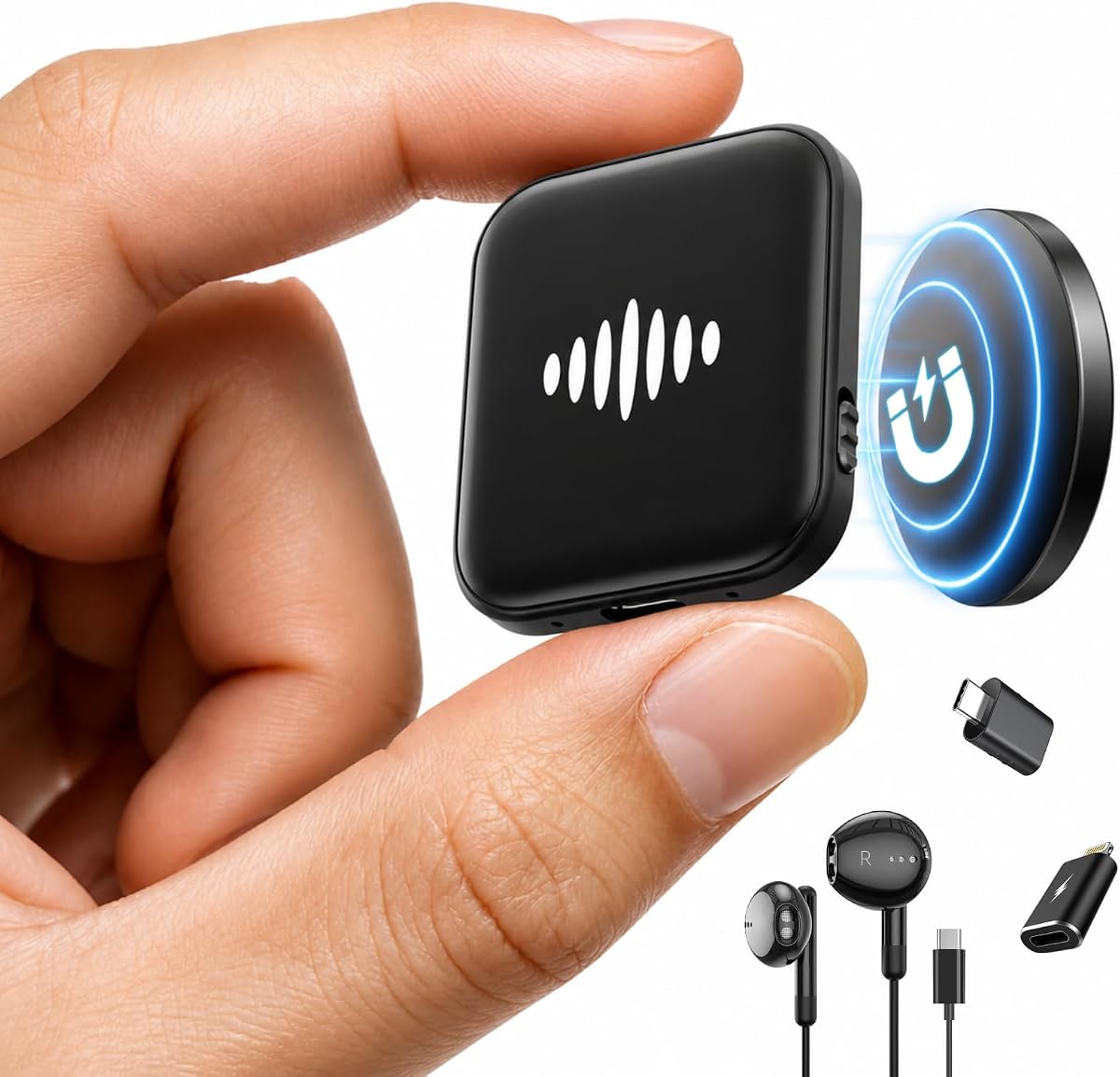
The 132GB Digital Voice Activated Recorder is a local recording and storage device rather than a GSM listener. It earns a 4.7 rating, making it one of the strongest customer-rated choices in the guide, and it stands apart through its 132GB capacity, extensive recording duration, playback, and USB-C file management.
We may earn a commission when you buy through this link, at no additional cost to you.
The recorder can store up to 9,800 hours of audio at 32 kbps and supports up to 70 hours of continuous recording. Voice activation adds up to 100 hours of continuous voice-activated recording. A built-in AI DSP chip and triple noise-reduction system are intended to improve vocal clarity, while automatic low-battery saving helps protect files when power is running short.
Its core limitation is that it does not transmit live audio over GSM. The user must retrieve files through USB-C or the included OTG adapters, making it less useful for immediate remote listening. Its double-sided magnetic design also requires attention to secure placement and to the privacy of everyone whose voices may be recorded. The included headphones, clip-on microphone, adapters, and cable support a broad range of workflows.
This recorder is an excellent choice for lectures, meetings, interviews, field notes, and other situations requiring dependable local audio capture. Its high rating, generous storage, and noise-reduction features compensate for the lack of cellular connectivity. Always obtain consent before recording people and follow applicable workplace, educational, and privacy rules.
A 132GB capacity and stated maximum of 9,800 hours at the specified compression level reduce the need to transfer files frequently. Actual duration varies with audio quality and recording conditions.
Voice activation starts recording when sound is detected, helping avoid long stretches of silence. The included clip-on microphone may improve source clarity when properly positioned.
We may earn a commission when you buy through this link, at no additional cost to you.
The most important distinction is whether you need live cellular monitoring, private communication, assistive amplification, professional group distribution, or local recording. Each category uses different hardware and offers different levels of convenience, privacy, and legal flexibility.
A true GSM listening module receives ambient sound through a microphone and sends it to a caller over a cellular network. A wireless assistive system instead carries a speaker's voice to a personal receiver, while a local recorder stores files on the device. These functions may sound similar in search results, but they serve very different needs. Decide whether real-time remote access, clearer personal conversation, multi-user distribution, or recorded evidence is the primary goal before comparing specifications.
Choose a GSM module for remote live monitoring, an assistive system for comfortable hearing, a professional receiver for group events, and a recorder for stored audio.
The phrase GSM does not guarantee that every device will work with every carrier or country. Look for supported frequency bands, SIM format, and whether the unit requires voice calling, VoLTE, or data-only service. The Z95G specifically notes that VoLTE calling is unavailable in the United States and provides a data-SIM and server-file alternative. Local coverage and account restrictions can be just as important as the advertised bands.
Confirm the exact cellular technology, supported bands, SIM size, and local carrier rules before ordering a remotely monitored device.
Microphone placement often affects intelligibility more than the headline range. Built-in microphones are convenient, while external MEMS microphones allow the sensor to sit closer to speech. The GSM products list ten-meter or 26-foot distances, ConvoAssist states up to 100 feet, and the professional Williams AV receiver reaches up to 900 feet. These figures describe different systems and cannot be compared as if they were measured under identical conditions.
Treat range as a maximum capability, not a guarantee. Consider room size, obstacles, microphone direction, competing noise, and how close the sensor will be to the source.
Live call-in monitoring and recorded audio are separate capabilities. The Z95G family offers voice-triggered recording, cloud uploads, and server access, while the 132GB recorder stores large quantities of audio locally. If you do not need unattended capture, a simpler live-listening device can reduce complexity. If records must survive beyond a live session, verify file format, retrieval method, storage duration, and account requirements.
Choose cloud recording for remote retrieval and local recording for large offline archives. Confirm the workflow before buying.
Power design determines how long a unit can monitor or record without attention. The Z95G is listed for 20 hours of continuous recording and seven days of voice-trigger standby. The 660mAh hidden earpiece has no supplied runtime figure, the PockeTalker claims up to 100 hours on two AAA batteries, and professional receivers are available with rechargeable or alkaline configurations. The 132GB recorder supports up to 70 continuous or 100 voice-activated hours.
Compare continuous and standby durations separately. For extended unattended sessions, choose automatic saving, swappable batteries, or dependable recharge options.
A device that captures or relays conversations can create serious privacy, workplace, and legal obligations. Use only with clear authorization, avoid recording private conversations without the required consent, and disclose monitoring where people could reasonably expect privacy. Concealment and recording rules vary by jurisdiction, so consult applicable laws or an organization's policies before installation.
Consent and transparency are not optional extras. Confirm that your intended use is lawful and that everyone affected understands how the device operates.
Comfort can determine whether a receiver is practical for long events. The hidden GSM earpiece emphasizes a lightweight, compact form, ConvoAssist allows users to retain their own headphones, and the PockeTalker includes both a headset and an earbud. A device that works technically but becomes uncomfortable is less useful during tours, lectures, presentations, or long conversations.
Try a headset or earbud fit when possible and consider cable freedom, controls, weight, and whether a companion microphone sits discreetly enough for the setting.
A specification sheet reveals intended features, but customer ratings provide a useful signal about actual experience. The professional Williams AV RCH has a 5.0 rating, the digital recorder has 4.7, ConvoAssist has 4.4, and the PockeTalker has 4.3. Several highly specialized GSM products have either low ratings or no supplied rating, which makes real-world uncertainty a meaningful buying factor. Missing ratings do not prove poor performance, but they justify additional preparation and careful seller research.
Use ratings alongside compatibility, warranty, support, and feature completeness. A highly rated device still fails if it cannot use your network.
Before setup, confirm that the device is legal for your intended application, obtain any required consent, and check the cellular or wireless requirements. For a GSM module, identify the required SIM type and network, then verify that the installed plan supports the listening or data function. For assistive and professional systems, pair the appropriate receivers and transmitters before the event rather than waiting until users arrive.
Install and test the device in the actual environment. Place the microphone near the source without creating an obvious hazard, use the stated range as a guide rather than a promise, and test live audio under realistic noise conditions. For recording systems, run a short sample, confirm storage and playback, and practice file transfer. Set up power management, including charging, spare batteries, or automatic saving, before relying on unattended operation.
Keep the equipment dry, protect it from extreme heat and impact, and follow the manufacturer's battery guidance. Clean microphones and receivers gently, store components in the supplied case, and avoid leaving a permanently powered unit in an obvious location. Review consent requirements again whenever the purpose or participants change, and securely erase or retain recordings according to your privacy obligations.
A GSM audio listening device captures nearby sound with a microphone and makes it available through a cellular connection. Most models in this category are called by dialing the number associated with an installed SIM card. Some advanced versions also record files, upload them to a server, and send voice-triggered alerts. The exact workflow depends on the model and its cellular requirements.
No. You must check the supported cellular bands, SIM format, voice and data support, and any restrictions imposed by the carrier. Some products use ordinary GSM voice calls, while others depend on VoLTE or a data-only connection. The Z95G notes that its VoLTE call feature is unavailable in the United States and advises users there to follow the listed data-SIM and server-playback procedure.
The stated distance depends on the product, microphone placement, ambient noise, and the method used to measure it. The N9 models list ten meters, the Z95G lists 26 feet, ConvoAssist lists up to 100 feet, and the professional Williams AV system lists up to 900 feet. Treat these as maximum figures, and test actual intelligibility in the environment where the device will be used.
Legality depends on your location, the people being recorded or monitored, and whether consent is present or required. Recording private conversations without authorization can violate privacy, workplace, and criminal laws in some jurisdictions. Use these devices only for lawful purposes, obtain appropriate consent, and disclose monitoring whenever people might otherwise expect privacy.
It depends on whether you need immediate remote access or stored recordings. A GSM monitor can provide live audio through a cellular call, and some models also upload files. A digital recorder is generally better for long lectures, meetings, and interviews because it stores large amounts of audio locally. The recorder is not a substitute for a GSM monitor when immediate remote listening is essential.
ConvoAssist is designed specifically for that purpose. It uses two wireless microphones to transmit speech to the wearer's own earbuds or headphones and can follow two speakers at once. The PockeTalker Ultra DUO is another practical option for amplifying television and nearby sound. Neither is a covert remote-monitoring system, so users who need cellular call-in access should choose a different category.
Both belong to the Digi-Wave 400 professional receiver family and share the same stated 900-foot range and support for tours, interpretation, intercom, and hearing assistance. Their main listed difference is power: the RCH is the rechargeable receiver version, while the ALK uses alkaline batteries. Choose based on your organization's charging workflow and existing system compatibility.
That depends on the model and the way access is configured. The N9 products support pre-set telephone and mobile numbers, which can help control who may call the device. It does not necessarily mean several people can listen simultaneously. For assured multi-user audio, a professional system such as the Williams AV Digi-Wave 400 is the more appropriate choice.
The strongest all-around choice is ConvoAssist because it combines a 4.4 rating, two wireless microphones, automatic setup, personal-headphone support, and a portable charging case. It is the best fit for better conversation comprehension, although it is not a GSM monitoring system. For a direct cellular monitor, the N9 models offer quad-band call-in listening, while the Z95G family adds recording, uploads, and voice-triggered operation.
Prioritize the function you actually need before comparing range or feature counts. Choose live cellular access for authorized remote monitoring, a professional Williams AV receiver for tours and multi-user communication, the PockeTalker for personal amplification, or the digital recorder for extensive local archives. Compatibility, microphone placement, consent, and power endurance deserve more attention than minor feature differences.
Ratings, availability, network behavior, and prices can change, and the supplied information may not capture every regional limitation. Review the current product listing, confirm SIM and wireless compatibility, and review privacy obligations before ordering. A final test of the intended network and recording or listening workflow can prevent many disappointments.